Spring Eye Care Tips for Patients With Chronic Dry Eye


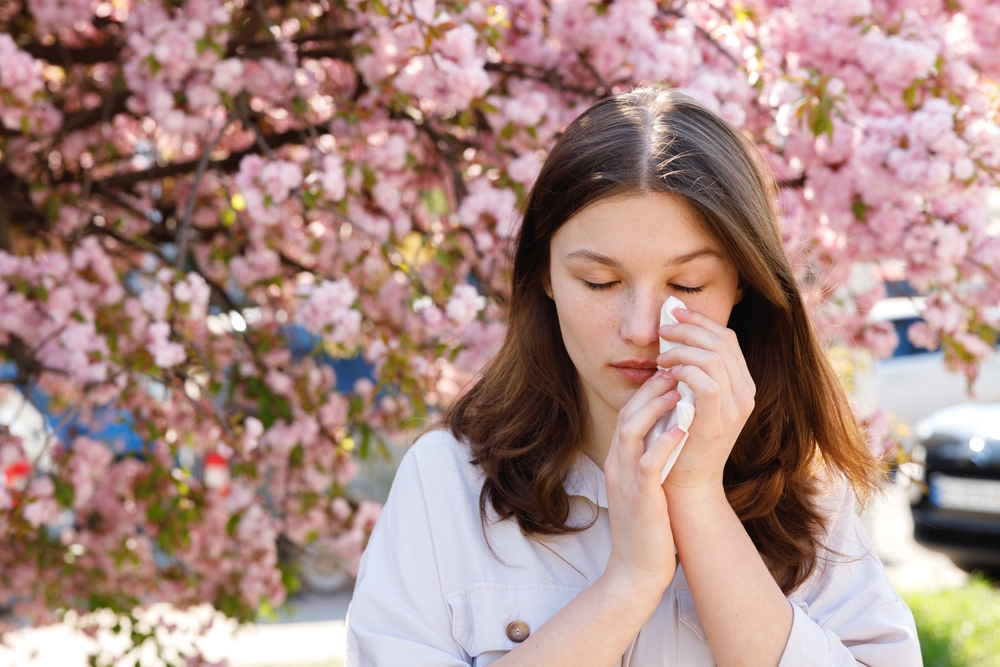
Spring can be a difficult season for people with chronic dry eye. Higher pollen counts, wind, and changing humidity can all make symptoms like burning, redness, blurred vision, and irritation feel worse. A few simple changes in your daily routine can help protect your tear film and keep your eyes more comfortable during the season.
Why Spring Can Make Dry Eye Worse
Chronic dry eye happens when your eyes do not produce enough tears or when the tears evaporate too quickly. In spring, environmental triggers often add to the problem. Allergens in the air can increase inflammation, while breezy weather and more time outdoors can dry the eye surface even faster.
Limit Exposure to Triggers
Reducing contact with seasonal irritants can make a real difference. Wraparound sunglasses can help block wind and airborne allergens when you are outside. At home, using a clean air filter and keeping windows closed on high-pollen days may also help reduce flare-ups.
Be Careful With Allergy Relief
Many patients with dry eye also deal with spring allergies, but not every product is helpful. Some allergy medications may contribute to dryness, especially if they reduce moisture throughout the body. Eye drops that are not designed for dry eye may also provide only brief relief. It is better to use products recommended by your eye doctor for both dryness and allergy-related irritation.
Daily Habits That Help
A consistent routine often gives the best results. Helpful habits include:
- Using preservative-free artificial tears as directed
- Taking breaks from screens to reduce tear evaporation
- Staying hydrated throughout the day
- Avoiding direct air from fans, vents, and car heaters
- Cleaning eyelids regularly if buildup or irritation is part of your symptoms
Do Not Ignore Ongoing Symptoms
If your eyes feel uncomfortable every spring, it may be more than temporary irritation. Chronic dry eye can affect your vision, contact lens comfort, and overall eye health. Ongoing symptoms may point to issues such as inflammation, meibomian gland dysfunction, or another underlying concern that needs professional treatment.
Spring Into Better Eye Comfort at Opticore Optometry Group
Spring is a good time to schedule an evaluation if your symptoms are becoming more frequent or harder to manage. Our eye doctors can assess the cause of your dry eye and recommend a treatment plan based on your specific needs. At Opticore Optometry Group, we provide personalized care and services ranging from comprehensive eye exams to dry eye treatment across multiple Inland Empire locations.
If spring allergies and dry eye symptoms are affecting your daily comfort, contact Opticore Optometry Group to schedule a consultation and learn more about treatment options. Visit our office in Chino, Redlands, Fontana, Riverside, Rancho Cucamonga, Brea, or Buena Park, California, or call (866) 202-2221 to book an appointment today.
Author: Antoinette Vu & Opticore Optometry Group

All Eye Care
Services

Keep
In Touch